A company specializing in vacuum furnaces, heat treatment furnaces, industrial furnaces, and plant and factory automation facility manufacturing
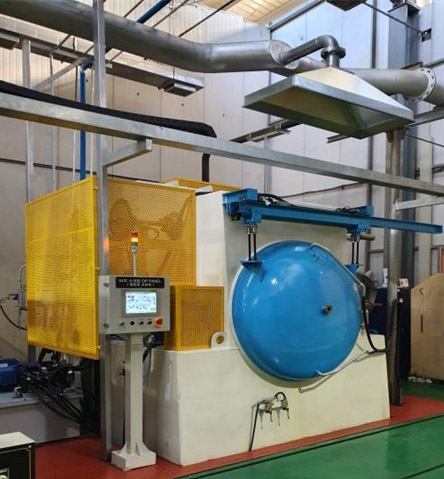
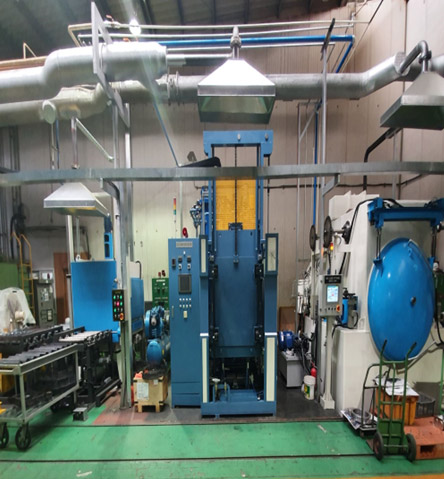
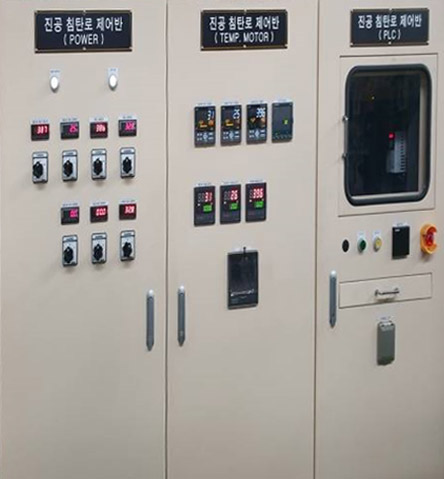
This is a carburizing method that is implemented depending on the development of vacuum furnace technology.
In this high-temperature carburizing method, target products are inserted into the vacuum furnace and the inner area of the furnace is depressurized and heated to 920 ~ 1,250°C for steel surface cleaning and activation, and then refined carburizing gas is introduced.
The main characteristic of this method is that carburizing time is reduced and a vacuum condition is maintained for heating, so the surface is kept clean, making it easier to react to the carburizing gas, and the uniformity of the carburizing layers is acquired. In addition, if C2 H2 is used as the carburizing gas, surface failure during quenching after carburizing can be avoided, and there will be no defects in surface hardness.
Working conditions can be set according to the characteristics of materials and products by using the simulation program to set different work conditions for vacuum carburizing depending on the material and product.
The carburizing speed is 50 to 60% faster than atmospheric carburizing.
There is no crystal oxidation layer on the surface.
Unlike general carburizing furnaces, it can handle SKH, HSP, SKD, SUS400 series, etc.
| Characteristics of vacuum carburizing furnace | Specs of vacuum carburizing layers |
|
Reduced working time No crystal oxidation on oil surface pressure control. No need for CO2, smoke, or flame Excellent exterior quality with consistent carburizing layers |
Operation temperature : 500 °C ~ 1,250 °C Operation vacuum: 10-2 torr (can adjust the vacuum level when gas is injected) Max cooling pressure: Vacuum condition of 5 to 10 torr |
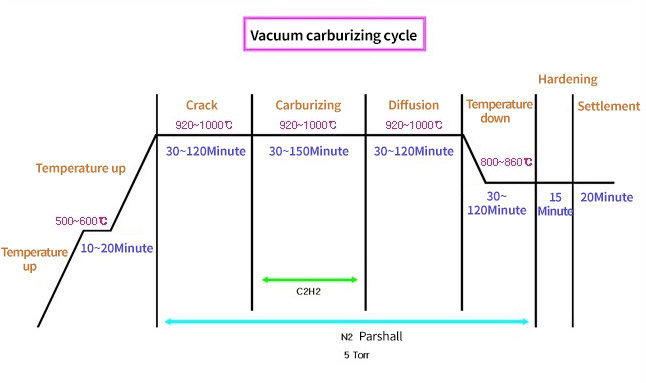
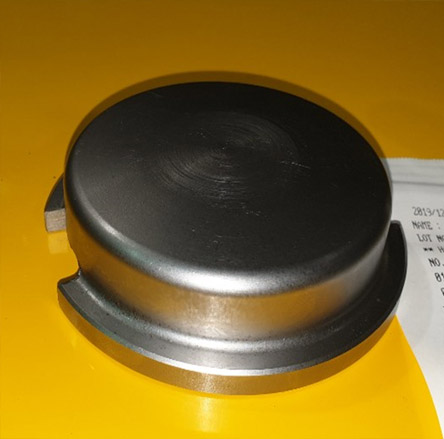
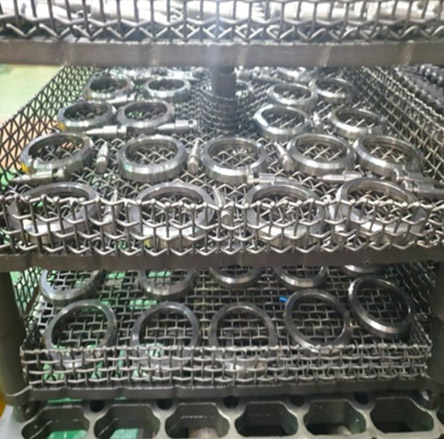
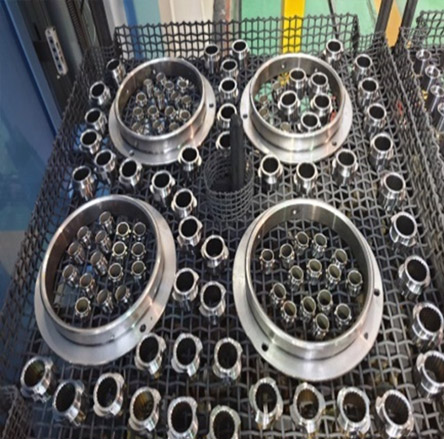
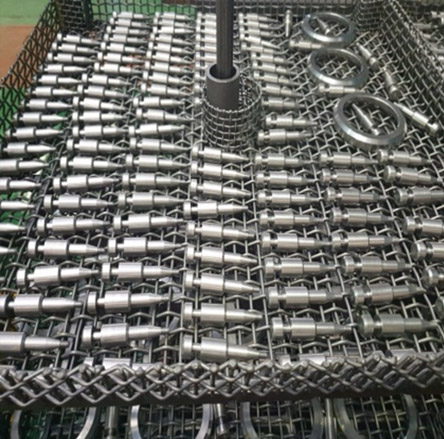
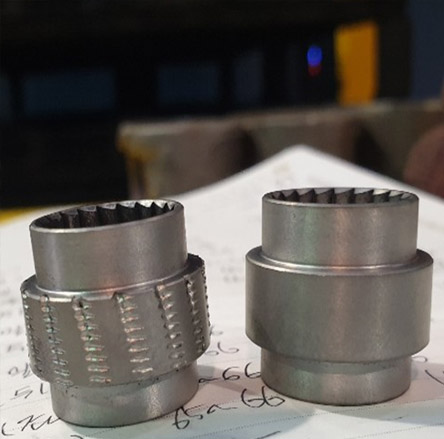
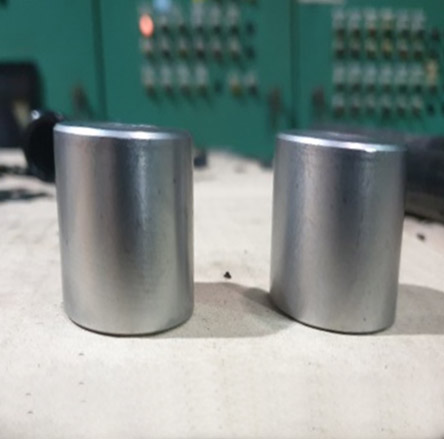
Multiple carburizing processes are taking place in general gas carburizing furnaces
Equipment is still being imported due to the lack of vacuum carburizing facility development.


